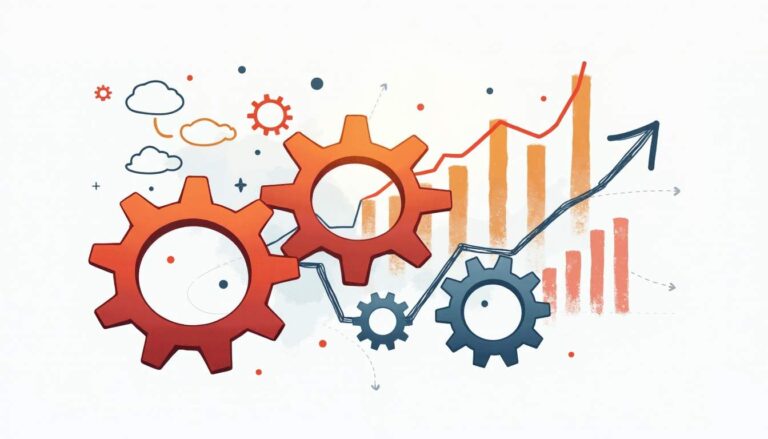
Source-to-Pay Implementation Overview
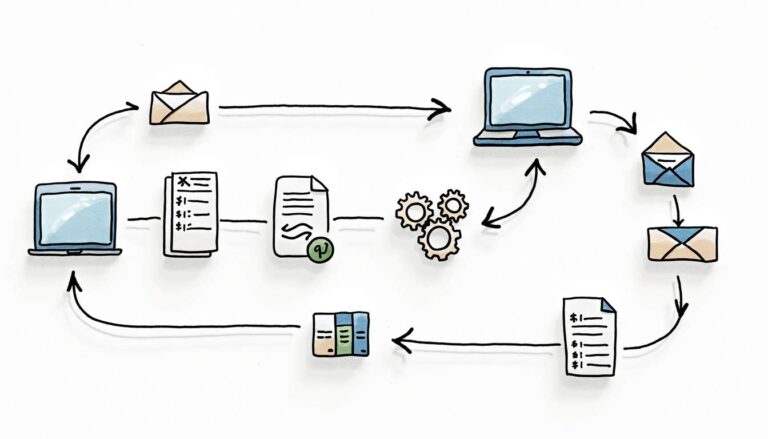
Source-to-pay (S2P) implementation is a comprehensive approach that streamlines the entire procurement lifecycle, from sourcing suppliers to making payments. This process ensures that organizations can efficiently manage supplier relationships, negotiate contracts, and automate purchase orders and invoicing.
Implementing an S2P system often involves integrating various modules, including supplier management, procurement, invoicing, and payment processing, into a unified platform. This integration enhances visibility and control over spending, helping companies reduce costs and mitigate risks. By consolidating these functions, organizations can also improve data accuracy and accessibility, allowing for better decision-making based on real-time insights.
Key Takeaways from Implementation
Successful S2P implementations typically result in several measurable benefits. Companies often report a 20-30% reduction in procurement cycle times and a significant decrease in maverick spending—purchases made outside approved channels. For example, a global manufacturing firm reduced its procurement processing time by 40% after deploying an S2P solution. This not only accelerated their operations but also allowed them to focus more on strategic sourcing initiatives that drive value.
Moreover, S2P systems improve compliance with company policies and regulatory requirements by providing audit trails and enforcing approval workflows. These improvements not only enhance operational efficiency but also strengthen financial control and supplier collaboration. Enhanced supplier collaboration can lead to better pricing negotiations and improved service levels, as suppliers are more likely to engage positively when they see a streamlined and transparent procurement process. Additionally, organizations can leverage data analytics within S2P systems to identify trends and opportunities for cost savings, further optimizing their procurement strategies.
Understanding Purchasing Software
Purchasing software is a digital tool designed to automate and manage the procurement process. It helps organizations handle requisitions, purchase orders, supplier data, and approvals in a centralized system. By doing so, it reduces manual errors, accelerates procurement cycles, and provides greater transparency into spending.

Role in Procurement Management
Within procurement management, purchasing software acts as the backbone for managing purchase requests and supplier interactions. It ensures that purchase orders are created accurately and routed for approval according to predefined business rules. This automation minimizes delays and enhances compliance with procurement policies.
For instance, a retail chain using purchasing software was able to reduce its order processing time by 50%, enabling faster stock replenishment and better customer satisfaction. Additionally, the software can provide analytics and reporting features that allow procurement teams to analyze spending patterns, supplier performance, and compliance metrics, empowering them to make informed decisions and negotiate better terms with suppliers.
Integration with ERP Systems
Purchasing software often integrates seamlessly with Enterprise Resource Planning (ERP) systems, creating a cohesive environment for financial and operational data. This integration allows procurement data to flow directly into accounting and inventory modules, ensuring real-time updates and accurate financial reporting.
Such integration is crucial for enterprises aiming to maintain synchronized data across departments, reduce manual data entry, and improve overall organizational efficiency. Furthermore, by leveraging advanced analytics and machine learning algorithms, purchasing software can predict future procurement needs based on historical data, enabling businesses to proactively manage inventory levels and avoid stockouts or overstock situations. This predictive capability not only optimizes inventory management but also enhances strategic planning across the organization.
Importance of Purchasing Software for Enterprises
In today’s competitive business landscape, enterprises face increasing pressure to optimize procurement processes. Purchasing software plays a pivotal role in addressing these challenges by enhancing efficiency, reducing costs, and supporting strategic decision-making.
Enhancing Procurement Efficiency
By automating routine tasks such as requisition approvals and purchase order generation, purchasing software frees procurement teams to focus on strategic activities like supplier negotiation and risk management. According to a report by Deloitte, companies leveraging procurement automation can achieve up to a 30% increase in operational efficiency.
Moreover, automated workflows reduce the risk of errors and delays, ensuring that goods and services are procured promptly to meet business needs. This not only accelerates the procurement cycle but also enhances collaboration across departments, as stakeholders can easily access real-time data and updates. The integration of purchasing software with existing enterprise resource planning (ERP) systems further streamlines operations, allowing for seamless data sharing and improved communication across teams.
Supporting Financial Management
Purchasing software also supports financial management by providing detailed spend analytics and budget tracking capabilities. Finance teams gain visibility into procurement activities, enabling better cash flow management and forecasting.
For example, a financial services company used purchasing software to gain real-time insights into supplier payments, which helped reduce late fees by 25% and improved vendor relationships. Additionally, the software can identify spending patterns and highlight opportunities for cost savings, empowering organizations to negotiate better terms with suppliers. By analyzing historical data, businesses can also predict future spending trends, allowing for more accurate budgeting and resource allocation. This proactive approach not only enhances financial oversight but also positions enterprises to make informed decisions that align with their long-term strategic goals.
Core Features of Purchasing Software
Modern purchasing software comes equipped with a variety of features designed to streamline procurement and enhance control over spending.
Requisition Management and Approvals
This feature allows employees to submit purchase requests electronically, which are then routed through predefined approval hierarchies. Automated notifications and tracking ensure timely approvals, reducing bottlenecks.
For example, a healthcare provider implemented requisition management software and reduced approval times from days to hours, accelerating critical purchases. This improvement not only increased efficiency but also allowed healthcare professionals to focus more on patient care rather than administrative tasks, ultimately leading to better service delivery.
Purchase Order Creation and Tracking
Once a requisition is approved, the software generates purchase orders (POs) that are sent to suppliers. Real-time tracking of POs helps procurement teams monitor order status, delivery timelines, and discrepancies.
This transparency minimizes delays and supports proactive supplier communication, improving overall supply chain reliability. Additionally, many systems offer alerts for potential delays or issues, allowing teams to address problems before they escalate, thus safeguarding project timelines and budgets.
Supplier Data and Contract Management
Maintaining accurate supplier information and contracts is essential for effective procurement. Purchasing software centralizes supplier profiles, certifications, and contract terms, enabling better compliance and negotiation leverage.
For instance, a manufacturing company used contract management features to identify and renegotiate unfavorable terms, resulting in a 15% cost saving annually. This capability not only fosters stronger supplier relationships but also enhances the organization’s ability to adapt to market changes and leverage competitive advantages.
Spend Visibility and Analytics
Comprehensive dashboards and reports provide insights into spending patterns, supplier performance, and compliance rates. These analytics empower procurement leaders to identify cost-saving opportunities and mitigate risks.
According to a survey by Gartner, organizations with strong spend visibility are 2.5 times more likely to achieve procurement savings. Furthermore, the ability to visualize data trends over time can help organizations forecast future spending and adjust budgets accordingly, ensuring that financial resources are allocated effectively.
Integration with Finance Systems
Purchasing software typically integrates with finance and accounting systems to automate invoice matching, payment processing, and financial reporting. This integration reduces manual reconciliation efforts and improves accuracy.
Such seamless connectivity ensures that procurement and finance teams operate with synchronized data, enhancing overall organizational agility. By aligning procurement activities with financial planning, organizations can better manage cash flow and optimize their purchasing strategies, ultimately leading to more informed decision-making and improved financial health.
Advantages for Procurement and Finance Teams
Purchasing software offers numerous benefits that directly impact the effectiveness of procurement and finance departments.
Reducing Maverick Spend
Maverick spend refers to purchases made outside of approved procurement processes, often leading to higher costs and compliance risks. Purchasing software enforces policy adherence by restricting purchases to approved suppliers and contracts.
For example, a technology firm reduced maverick spend by 35% within the first year of implementing purchasing software. This not only resulted in significant cost savings but also fostered a culture of accountability and transparency within the organization. Employees became more aware of the importance of following established procurement protocols, leading to a more disciplined approach to spending across the board.
Accelerating Requisition-to-PO Processes
Automation speeds up the conversion of requisitions into purchase orders, reducing cycle times and improving supplier responsiveness. Faster processing helps businesses maintain optimal inventory levels and meet customer demands. By streamlining these processes, teams can focus more on strategic initiatives rather than getting bogged down in administrative tasks. This shift allows procurement professionals to engage in supplier relationship management and negotiate better terms, ultimately enhancing the overall value derived from supplier partnerships.
Establishing Centralized Audit Trails
Every transaction and approval is logged within the system, creating a transparent audit trail. This traceability supports compliance with regulatory standards and internal policies, simplifying audits and reducing risk. Additionally, having a centralized audit trail allows teams to analyze historical data more effectively, identifying trends and areas for improvement. By understanding past purchasing behaviors, organizations can make informed decisions that drive future procurement strategies and enhance operational efficiency.
Improving Forecasting Accuracy
With detailed spend data and supplier performance metrics, procurement and finance teams can generate more accurate forecasts. Improved forecasting enables better budgeting and resource allocation. By leveraging analytics tools integrated within purchasing software, teams can identify seasonal trends and anticipate market fluctuations, ensuring they are always prepared to meet demand without overextending their budgets. This proactive approach not only enhances financial planning but also strengthens the company’s competitive edge in the marketplace.
Enforcing Policies Consistently
Purchasing software ensures that company policies are applied uniformly across departments and locations. Automated workflows and approval hierarchies reduce the likelihood of unauthorized purchases and policy violations. Furthermore, the ability to customize workflows according to specific departmental needs allows for flexibility while maintaining compliance. This balance ensures that while teams can operate efficiently, they do so within the framework of organizational policies, fostering a culture of responsibility and ethical spending practices.
Case Study: Digital Transformation in Procurement
Digital transformation in procurement is reshaping how organizations manage their purchasing activities, driving efficiency and strategic value.
Maxim Healthcare’s Success Story
Maxim Healthcare, a leading provider of healthcare services, embarked on a digital transformation journey to modernize its procurement operations. By implementing a comprehensive purchasing software solution, Maxim Healthcare automated its requisition and purchase order processes, integrated supplier management, and enhanced spend visibility.
As a result, the company achieved a 25% reduction in procurement cycle times and improved compliance with healthcare regulations. Additionally, better supplier collaboration led to improved service levels and cost savings of over $2 million annually.
This case exemplifies how purchasing software can drive tangible benefits in complex, regulated industries.
Furthermore, Maxim Healthcare’s digital transformation did not stop at merely automating existing processes. The company also focused on data analytics to gain insights into spending patterns and supplier performance. By leveraging advanced analytics tools, procurement teams could identify opportunities for strategic sourcing and negotiate better terms with suppliers. This proactive approach not only enhanced the overall procurement strategy but also positioned Maxim Healthcare as a leader in operational excellence within the healthcare sector.
In addition to these operational improvements, the cultural shift within the organization played a crucial role in the success of the digital transformation. Maxim Healthcare invested in training and development programs to ensure that employees were equipped with the necessary skills to navigate the new digital landscape. This emphasis on continuous learning fostered a culture of innovation and adaptability, enabling the organization to respond swiftly to market changes and regulatory requirements. As a result, the procurement team became not just a support function but a strategic partner in driving the company’s mission to deliver high-quality healthcare services.
Key Considerations for Purchasing Software
Selecting the right purchasing software requires careful evaluation of organizational needs, system capabilities, and integration potential.

Purchasing vs. Procurement Software
While the terms “purchasing software” and “procurement software” are often used interchangeably, there are subtle differences. Purchasing software primarily focuses on transactional activities like requisitions and purchase orders, whereas procurement software encompasses broader strategic functions including sourcing, supplier relationship management, and contract negotiation.
Organizations should assess their procurement maturity to determine which type of software aligns best with their goals. A thorough understanding of internal processes and future aspirations can help in identifying whether a more transactional approach or a comprehensive procurement strategy is necessary. For instance, companies aiming to enhance supplier collaboration and optimize their supply chain may benefit more from procurement software that offers advanced analytics and supplier performance tracking, while those with straightforward purchasing needs might find sufficient value in basic purchasing functionalities.
Integration Capabilities with ERP
Integration with existing ERP systems is a critical factor. Purchasing software that seamlessly connects with ERP modules ensures data consistency, reduces manual work, and enhances reporting accuracy.
Before selecting a solution, enterprises should verify compatibility with their ERP platforms and evaluate the ease of integration to avoid costly customizations and implementation delays. Furthermore, organizations should consider the long-term implications of their integration choices. A well-integrated purchasing system can facilitate real-time data sharing across departments, leading to improved decision-making and operational efficiency. Additionally, it is essential to assess the vendor’s track record for providing timely updates and support, as this can significantly affect the longevity and adaptability of the software in a rapidly evolving technological landscape.
Ready to transform your procurement processes and take control of your spending? At Bellwether, we specialize in equipping small and mid-size businesses with a comprehensive purchasing and inventory management solution that’s both powerful and user-friendly. Our platform is designed to simplify your procurement lifecycle, enhance inventory management, and provide you with the spend analytics you need to make informed decisions. Experience the benefits of automated purchase orders, requisition automation, precise matching, and AP automation firsthand. Book a demo today and discover how Bellwether can help you optimize your purchasing strategy, cut costs, and boost your operational efficiency.